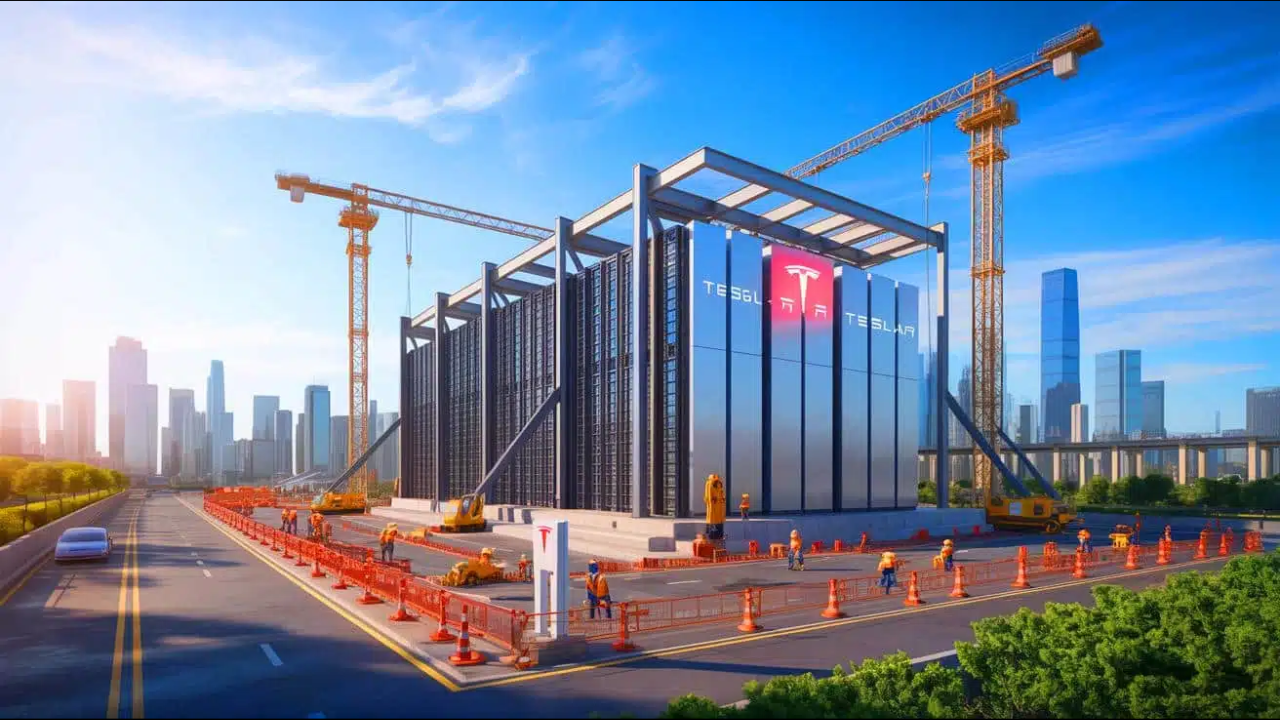
Tesla China Battery Project Renewable Energy: Driving Carbon Neutrality Forward
Tesla China Battery Project Renewable Energy is shaping the future of clean energy and supporting China’s ambitious carbon neutrality targets. As the world accelerates towards sustainable solutions, initiatives like this show how technology and industry can come together to make a tangible difference. We’re taking a closer look at what Tesla is doing in China, why it matters, and how it could influence the broader renewable energy landscape.
Quick Overview of Tesla’s China Battery Project
Tesla, a global leader in electric vehicles and energy storage, has been expanding its footprint in China for years. The China battery project focuses on large-scale industrial renewable energy solutions, combining advanced battery technology with local manufacturing capabilities. This project not only strengthens Tesla’s position in the Chinese market but also plays a role in reducing greenhouse gas emissions and promoting clean energy adoption.
By producing batteries locally in China, Tesla reduces supply chain emissions, supports local jobs, and increases the accessibility of renewable energy solutions. The project also ties into Tesla’s broader mission: accelerating the world’s transition to sustainable energy.
Why China Is a Key Player in Renewable Energy
China has become a global leader in renewable energy investment. The government has committed to achieving carbon neutrality by 2060, which means a massive shift from coal-based energy to clean alternatives like wind, solar, and battery storage. Tesla’s battery project aligns perfectly with these goals.
The country’s growing electric vehicle market, combined with increasing solar and wind energy adoption, makes large-scale battery storage critical. Batteries help store excess renewable energy for use when the sun isn’t shining, or the wind isn’t blowing, which is essential for a reliable and sustainable energy grid. Tesla’s technology demonstrates how industrial-scale battery storage can support both consumers and businesses in this transition.
How Tesla’s Batteries Support Renewable Energy
Tesla’s batteries are more than just energy storage devices. They are critical enablers of a renewable energy ecosystem. Here’s how they make a difference:
1. Energy Storage
Renewable energy sources like solar and wind are intermittent. Batteries allow energy to be stored when production exceeds demand, which can then be released during peak usage periods. This reduces reliance on fossil fuels and stabilizes the energy grid.
2. Industrial Scale Solutions
Tesla’s battery project in China is designed for large-scale industrial applications. This means factories, commercial buildings, and even entire neighborhoods can store and use clean energy efficiently. Large-scale deployment is essential to achieving the country’s carbon neutrality goals.
3. Integration With Electric Vehicles
Tesla’s batteries also support the growing fleet of electric vehicles in China. By providing charging solutions and supporting local energy grids, the project helps ensure that EVs are powered by renewable energy rather than traditional electricity generated from fossil fuels.
Economic and Environmental Benefits
The tesla china battery project renewable energy is not just about clean energy; it’s also about creating economic value and supporting sustainable development.
1. Job Creation
Local manufacturing facilities for batteries create thousands of jobs, from engineers and technicians to supply chain professionals. This contributes to China’s economy while promoting clean energy expertise.
2. Reducing Carbon Footprint
By producing batteries locally, Tesla reduces emissions associated with shipping and long supply chains. Additionally, the batteries enable industries to shift to renewable energy, further lowering carbon emissions.
3. Energy Independence
Large-scale battery storage reduces dependence on imported fossil fuels. For China, this means increased energy security while supporting global climate goals.
Tesla’s Approach to Innovation in China
Tesla is known for pushing the boundaries of technology, and its China battery project is no exception. The company is developing next-generation battery technologies that are safer, more efficient, and more environmentally friendly.
1. Research and Development
Tesla invests heavily in research to improve battery performance, longevity, and sustainability. This includes experimenting with new materials, recycling processes, and energy management systems.
2. Collaboration With Local Partners
Tesla works closely with Chinese companies and government agencies to align with local regulations and energy goals. These collaborations make large-scale renewable energy projects feasible and scalable.
3. Manufacturing Efficiency
By building batteries in China, Tesla reduces costs and improves efficiency. This not only makes renewable energy more accessible but also supports China’s broader industrial strategy.
The Role of Tesla in China’s Carbon Neutrality Goals
China’s path to carbon neutrality requires both renewable energy adoption and energy storage solutions. Tesla’s battery project contributes to both:
- Accelerating EV Adoption: Batteries enable EVs to run on renewable energy efficiently.
- Industrial Energy Storage: Factories and commercial facilities can use stored energy to reduce reliance on coal and natural gas.
- Grid Stabilization: Large battery installations help maintain a balanced and reliable energy grid, which is essential as renewable energy usage grows.
In this way, Tesla’s project doesn’t just support clean energy—it actively helps China move closer to its 2060 carbon neutrality target.
Challenges and Opportunities
Like any large-scale initiative, the tesla china battery project renewable energy faces challenges. These include raw material sourcing, battery recycling, and maintaining cost efficiency. However, each challenge is also an opportunity for innovation.
For example, advances in battery recycling could reduce reliance on mined materials while minimizing environmental impact. Meanwhile, improvements in battery efficiency and lifespan could make renewable energy more affordable and widely adopted.
Looking Ahead: The Future of Renewable Energy in China
Tesla’s China battery project is just one part of a larger renewable energy transformation. With continued government support, technological innovation, and industrial collaboration, China could set a global example for how to scale renewable energy sustainably.
We can expect to see:
- More local battery production facilities
- Integration of smart grid technology
- Increased collaboration between EV manufacturers and energy providers
- A stronger focus on battery recycling and sustainability
Why This Matters Globally
China is a major player in global emissions, so projects like Tesla’s have implications far beyond its borders. Large-scale battery storage can help reduce global dependence on fossil fuels, stabilize energy prices, and support international climate goals.
By demonstrating that industrial-scale renewable energy is feasible, Tesla’s project could inspire other countries and companies to invest in similar technologies.
Conclusion
tesla china battery project renewable energy in renewable energy is more than just a business venture—it’s a step toward a cleaner, more sustainable future. By combining cutting-edge battery technology with large-scale industrial applications, Tesla is helping China achieve its carbon neutrality targets while supporting local economies and global climate goals.
We believe this project is a prime example of how innovation, collaboration, and commitment to sustainability can drive real-world change. As Tesla continues to expand its footprint in China and beyond, the impact of renewable energy and battery storage will only grow, bringing us closer to a future powered by clean, sustainable energy.